A review of Andrey Mir’s “The Digital Reversal.” By William Kuhns. From the upcoming issue of New Explorations. Studies in Culture and Communication. At first blush it sounds like a 21st century fairy tale: how at enough clicks of the “I like” thumb-ups icon, everything… Read More ›
philosophy
Review of Andrey Mir’s The Digital Reversal: Media, Social Media, AI, and the Fate of Humanity. By Paul Levinson
Paul Levinson, a student of Neil Postman and a collaborator with Marshall McLuhan, became one of the first readers and critics of The Digital Reversal. Paul is the author of a number of books on media ecology and also a prominent… Read More ›
Digital orality: The flip of text into texting
Media are the hardware of society, and culture is its software. Society follows the patterns set by media. If oral speech was the medium of orality and written speech was the medium of literacy, digital speech is the medium of… Read More ›
New book: The Digital Reversal
The future of the book is the blurb, said Marshall McLuhan. As the future arrives, this book is written in tweets—1,295 of them. Structured in thread-chapters, they explore and explain what media evolution has done to us. (An excerpt from… Read More ›
The encyclopedia of the Toronto School of Communication
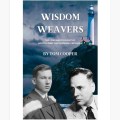
A review of Wisdom Weavers: The Lives and Thought of Harold Innis and Marshall McLuhan by Tom Cooper (2025, Connected Editions*, with Preface by T. C. McLuhan and Foreword by Robert Logan; presale available on Amazon). Tom Cooper’s Wisdom Weavers: The Lives and Thought… Read More ›
Effects of writing. Thinking about thinking: logic and theorizing.
Alphabetic writing visualized not the objects or the ideas of objects but speech itself. Viewing recorded speech meant seeing the “footprints” of thinking. A chapter from Digital Future in the Rearview Mirror: Jaspers’ Axial Age and Logan’s Alphabet Effect. The… Read More ›
The list of forbidden books on media ecology
As was the case with McLuhan, academia struggles to appreciate media ecology. Traditional communication departments divide the field between the administrative approach and cultural criticism. The administrative approach (rooted in the Chicago and Columbia schools) focuses on human skills and… Read More ›
William Kuhns: Mir-roring McLuhan in the digital era
Has anyone else writing today about the Internet and the new media it’s spawned, come off sounding as much like McLuhan on steroids? A triple review of Andrey Mir’s: (Excerpts from William Kuhns’ review in: New Explorations: Studies in Culture… Read More ›
Time travel and media ecology
A review of Paul Levinson’s “The Plot to Save Socrates” (2006). Time-travel stories are commonly used to explore questions of logic, ethics, philosophy, and social organization. Paul Levinson’s “The Plot to Save Socrates” (2006) adds media ecology to this set…. Read More ›