A manifesto of cooperation with the inevitable[i] 1. Media literacy is cooperation with the inevitable 1.1. Media have evolved from implements to environments. One can operate with a stone ax – but within the Internet. People can harness an instrumental… Read More ›
Media literacy
The list of forbidden books on media ecology
As was the case with McLuhan, academia struggles to appreciate media ecology. Traditional communication departments divide the field between the administrative approach and cultural criticism. The administrative approach (rooted in the Chicago and Columbia schools) focuses on human skills and… Read More ›
Geoff Shullenberger: The Death of Gutenberg (City Journal)
Is the rise of digital media causing the fall of literacy? A review of Andrey Mir’s Digital Future in the Rearview Mirror: Jaspers’ Axial Age and Logan’s Alphabet Effect in City Journal, excerpts. Despite the hopes and fears invested in… Read More ›
Internet hygiene: browser settings, the Viral Editor and the Filter Bubble
In the collective mind, being weaned off sanctioned information and switching to a collective self-service media is accompanied by withdrawal and culture shock. On a daily basis, people thirstily seek information on the Internet – they are led by it,… Read More ›
Reading list for a young media thinker
What to read to be read. What to quote to be quoted. The list is always under upgrade. What is highly recommended is highlighted. Any good additions are welcome. Baudrillard, Jean. Simulations. New York: Semiotext(e), 1983. Carr, Nicholas. The Shallows:… Read More ›
Media hygiene. Media Ecology as Ecology Contrariwise – III
The emancipation of authorship (Miroshnichenko, 2013) has led to an exponential growth in the number of information sources. Anyone who goes online is immediately inundated with huge amounts of information, more than a human being could previously absorb in a… Read More ›
Media Ecology as Ecology Contrariwise: Protecting Humans from the Digital Environment – I
The ecological approach to humans’ adaptation to the digital environment is rooted in the ideas of traditional ecology, yet it turns these ideas upside down. The main idea of a traditional environmental movement is to protect the environment from human… Read More ›
“The Daily Me” now also means producing personal content
The internet looks full of junk, but the news that people consume is in fact filtered very well. We visit certain websites, click certain links, and follow certain bloggers. In doing so, we convert our preferences into a virtual newspaper,… Read More ›
Text? No longer
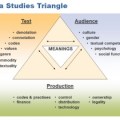
Some thoughts on possible obsolescence in the Media Studies Triangle, Ontario Media Literacy Program “In 1988, Ontario became the first educational jurisdiction in the world to mandate media literacy as part of the English curriculum”, reports the “Media Education: Make… Read More ›